

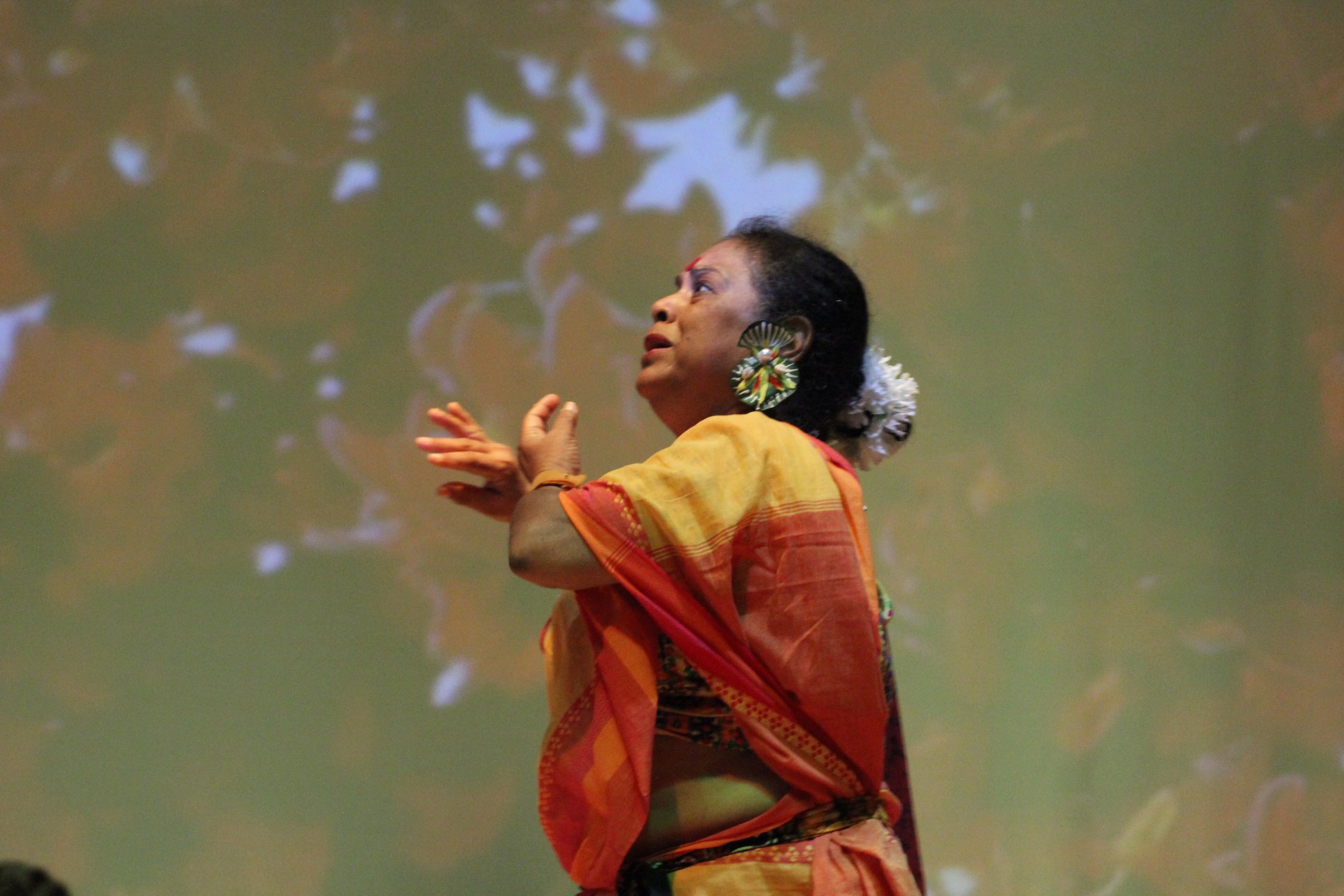
During my seventh-grade year, I had the opportunity to step onto the stage and act in a play. My role was quite small, consisting of just two sentences, but the excitement I felt was immense. It marked a wholly unique experience for me, and I found that I thoroughly enjoyed it.
As the years passed, dance became an integral part of my life, and my brief foray into acting began to fade from memory. Then, unexpectedly, I received a phone call from a friend. They informed me that a Bengali version of Franz Kafka’s “The Metamorphosis” (titled “Bikar”) was being staged in New Jersey, and they were searching for an actress to play the pivotal role of the sister.
“The Metamorphosis”, an early twentieth-century novella, tells the tale of Gregor Samsa, a man who undergoes a bewildering transformation from a human into an insect, unleashing a cascade of bizarre complications. The impact of his transformation extends beyond himself to affect his family members, particularly his father and sister. The story features various transformations—physical, behavioral, and psychological—expressed through both symbolic and literal means. Kafka’s masterful use of symbolism aligns with the allegorical nature of his work, effectively conveying themes of maturity and alienation.
The role of the sister in the play is central, almost a leading part. I was informed that the director, Mr. Shakti Sengupta, wanted to meet me in person for an audition. This audition would involve reading excerpts from the play. Nervousness and excitement coursed through me simultaneously as I summoned the courage to audition. To my delight, I was selected for the role!
Rehearsals commenced, and initially, I was confident about my performance. After all, I had extensive experience in dance dramas and felt at ease on stage. However, I soon realized that I knew very little about acting in a full-length stage play. It was a world apart from the theatrical elements of dance drama, where movements seamlessly integrated with dance forms. In a stage play, the story is conveyed through prose, actions, and at times, lengthy narratives and movements—completely different from my previous experiences. While dancing, music and lighting often allowed for adjustments in case of a missed movement. In a stage play, forgetting or misplacing a line posed a considerable challenge for recovery without drawing attention.
Another notable distinction I encountered was the physicality of stage acting. As an Indian classical dancer, romantic scenes were conveyed through facial expressions and mudras (hand gestures) to depict intimacy, with limited physical contact. In “The Metamorphosis,” I had to engage in numerous physical interactions with fellow actors, which initially made me uncomfortable. However, with time and mental conditioning, I overcame my reservations and grew more at ease, allowing my natural actions to flow more freely. This newfound comfort has proved valuable in my dance career and influenced my future choreographies.
One crucial aspect of stage acting I discovered was the direct interaction with other actors. I could hear their words, react to them with emotions and gestures, and control the element of timing to some extent. In dance, the music and songs dictate the pace, leaving me with less control. The most amusing challenge for a dancer engaged in stage acting was figuring out what to do with my hands. Hand gestures held different communication in a play, necessitating the mastery of this skill to seamlessly blend it into natural conversations. So much was learned throughout this journey in our lives!

